If you've ever stood in the heater aisle — or spent twenty minutes scrolling product pages — you know that infrared, ceramic, and oil-filled heaters are all sold as the right answer. The truth is that each type has a genuinely different personality, and the one that suits you depends almost entirely on which room you're in and how you plan to use it.
I've lived with all three styles across three drafty old houses over twelve years. This is my honest read on how they behave day to day — not the spec sheet, but the actual experience of turning them on in a cold room and living with the result.
A quick word on wattage
All three types are available in similar wattages (usually 750W or 1500W for home use), so they draw roughly the same amount of electricity at the same setting. The differences below are about how that energy reaches you — not how much you're spending per hour.
Infrared heaters: instant warmth, nothing in between
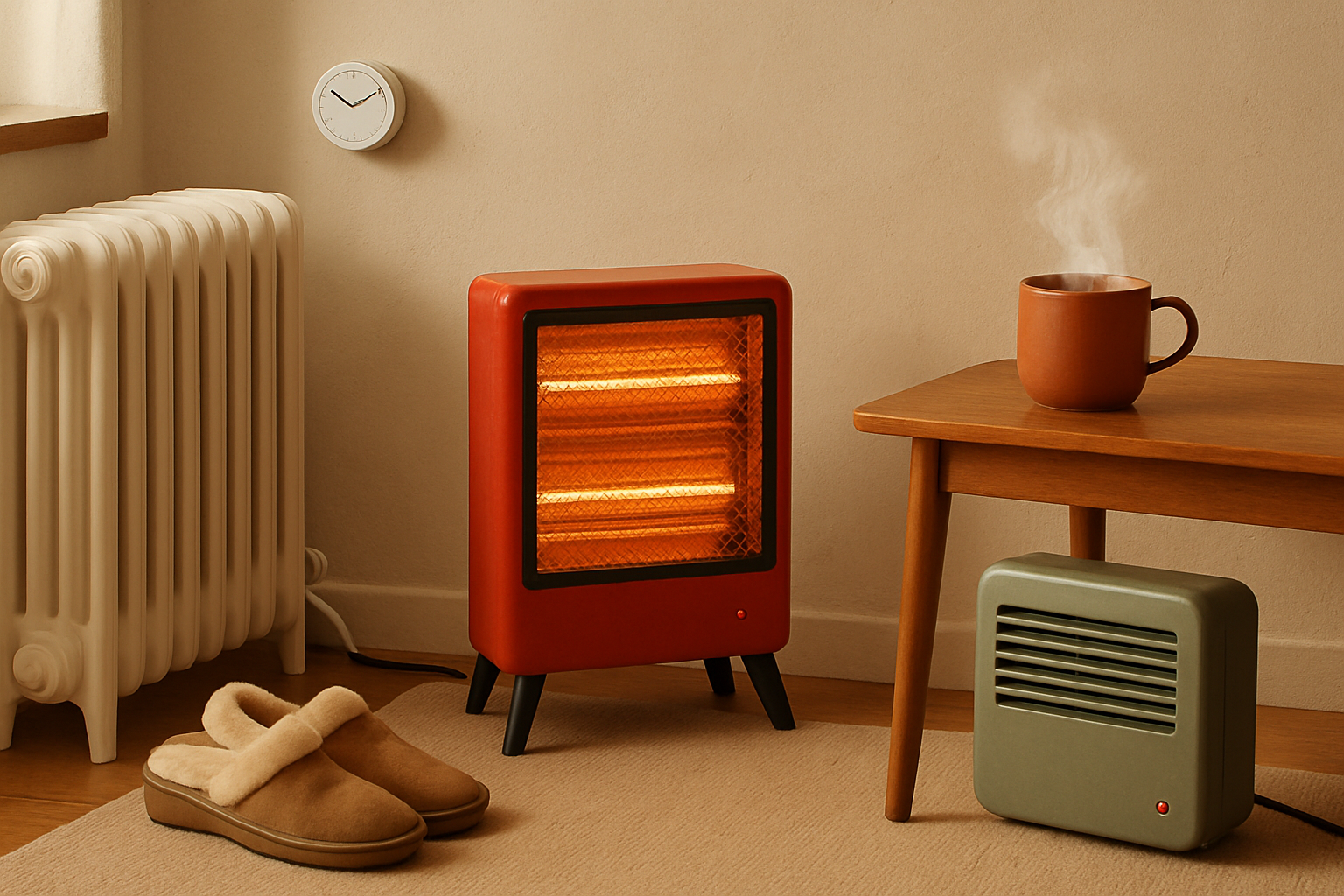
Infrared heaters work by radiating heat directly at objects and people rather than warming the air. The moment you turn one on, you feel it — not because the room has warmed up, but because the radiant energy hits your skin the way afternoon sun does through a window.
Where they shine
- Spot warming in large or open rooms. If your living room is open-plan and you're not trying to heat the whole thing — just the sofa corner where you actually sit — an infrared heater is hard to beat. It warms the person, not the cubic footage.
- Draughty spaces where the air won't stay warm. Garages, sunrooms, covered patios: anywhere with gaps and airflow, convection heating fights a losing battle. Infrared goes straight to you regardless.
- Short sessions. Sitting at a desk for two hours, watching a film, reading — infrared is efficient for defined bursts.
Where they fall short
The moment you step out of the beam, you feel the cold again. Infrared doesn't build up a warm ambient room; it just makes one spot comfortable. If you move around a lot, or want your whole bedroom to feel warmer when you wake up, infrared isn't ideal.
Ceramic heaters: fast, even, and genuinely versatile
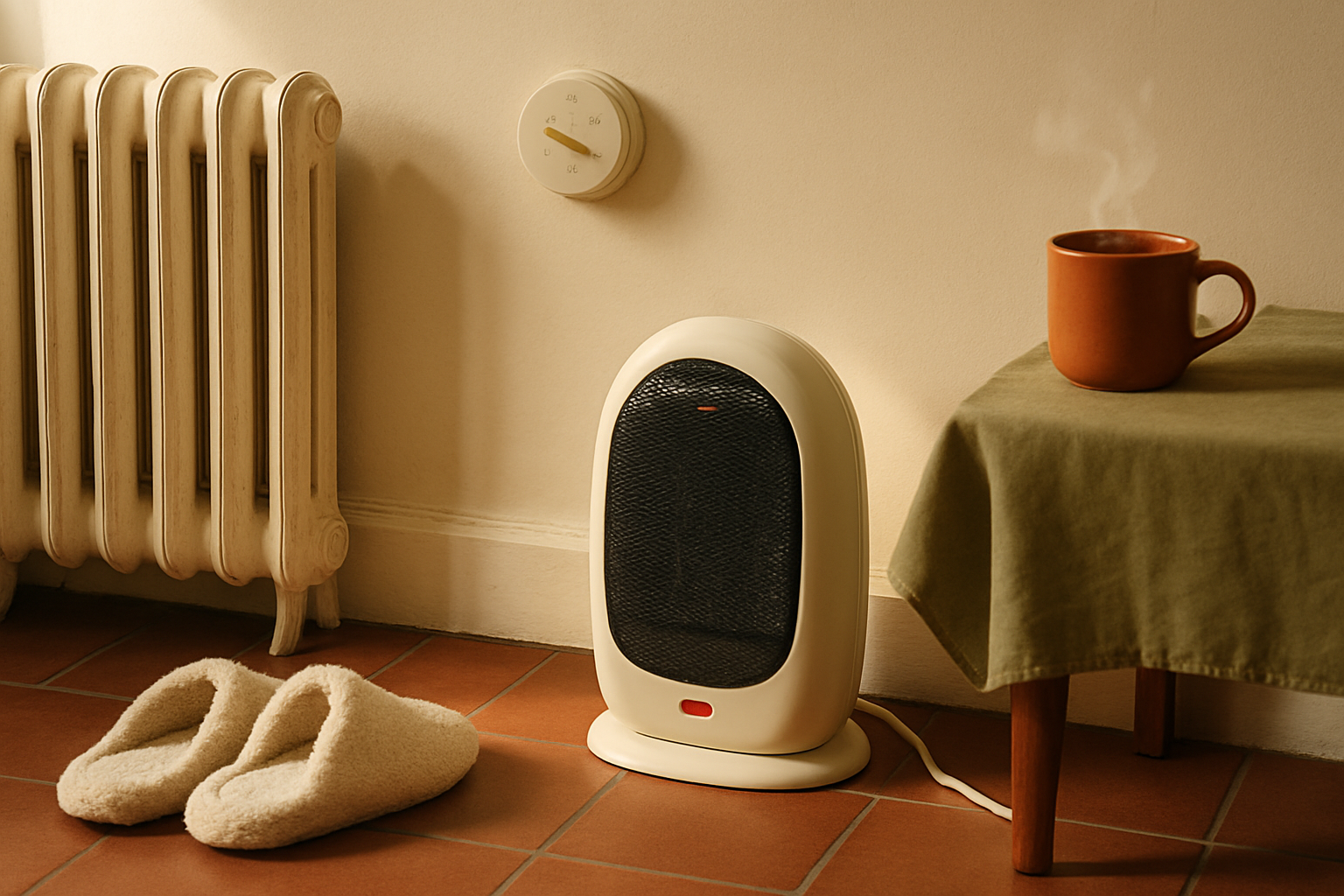
Ceramic heaters (the tower and box types you see everywhere) warm the air using a heated ceramic element and a fan. They come up to temperature quickly — often noticeably warmer air within two or three minutes — and they distribute that warmth broadly around the room.
Where they shine
- Bedrooms and home offices you want to warm quickly. Turn one on twenty minutes before you need the room and it'll be genuinely comfortable when you arrive.
- Smaller, reasonably well-sealed rooms. Where the air stays put, ceramic heaters are efficient and effective. A well-insulated bedroom or a home office with the door shut is where they work best.
- Safety-first households. Most modern ceramic heaters cool down very quickly on the surface, and they tip-over cut off reliably. For homes with kids or pets moving around, this matters.
Where they fall short
The fan makes noise — not loud, but constant. If you're a light sleeper or you work in silence, it adds up. Ceramic heaters also blow air, which can dry out a room and stir up dust. In an open-plan space, they're fighting a lot of volume and often lose.
Oil-filled radiators: slow and steady, genuinely peaceful
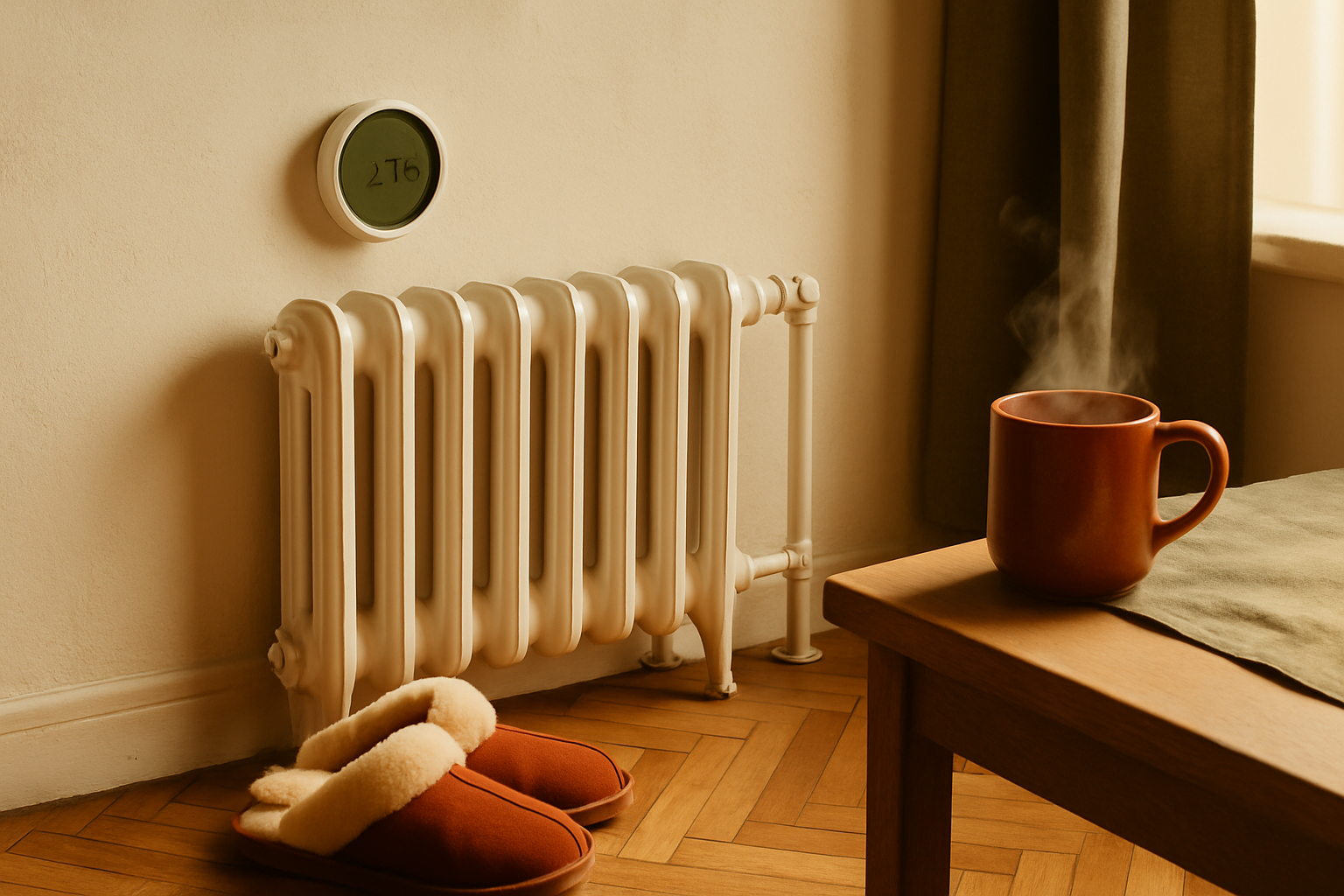
Oil-filled radiators are the tortoise of the group. They take fifteen to thirty minutes to warm up properly, but once they're up to temperature they hold it remarkably well — and they do it in total silence.
Where they shine
- Bedrooms and nurseries overnight. This is the oil radiator's home territory. No fan noise, no scorching-hot surfaces, just a steady column of warmth radiating gently through the night. I've left one running beside my daughter's room through the coldest weeks of the year without a moment's worry.
- Rooms you want to pre-warm on a timer. Set one to start an hour before you get home and the room will feel genuinely warm when you walk in — without a sudden spike in energy use.
- All-day background warmth in a home office. If you're working from home and just need the room to stay at a comfortable temperature all day, an oil radiator running on its lower setting is quiet, steady and cheap to operate at half power.
Where they fall short
Patience required. If you've just come in from the cold and want warmth in the next five minutes, an oil radiator will disappoint you. They're also heavier and less portable than the other two — you're not going to move one between rooms multiple times a day.
Side by side: which is which
| Feature | Infrared | Ceramic | Oil-Filled |
|---|---|---|---|
| Time to feel warm | Seconds | 2–5 minutes | 15–30 minutes |
| Warms the room or the person? | Person | Room | Room |
| Noise level | Silent | Fan hum | Silent |
| Surface heat risk | High (element) | Low–medium | Low (warm, not scorching) |
| Best room type | Open/draughty spaces | Sealed smaller rooms | Bedrooms, all-day use |
| Portability | High | High | Medium (heavy) |
| Overnight suitability | Fair | Fair | Excellent |
Which one should you actually buy?
After all those years and all those cold rooms, here's how I think about it:
- Buy infrared if you're trying to warm a specific spot in a large or hard-to-heat space, or if you want instant warmth for short sessions — a home office, a workshop corner, or a covered patio.
- Buy ceramic if you want a versatile, responsive heater that can warm a bedroom or home office quickly and move around the house easily. It's the best all-rounder for most renters.
- Buy oil-filled if you want peaceful, steady overnight warmth — in a bedroom, a nursery, or any room where fan noise is a dealbreaker and you can plan ahead.
Marguerite's tip from twelve years of cold rooms
"Most people only need one heater but buy the wrong type for their main use case. Before you buy, ask yourself one question: do I need warmth right now in this spot, or do I need a room to be comfortable for hours? The answer almost always tells you which type to get."
If you're still not sure, our detailed reviews for each type go deeper into specific models we've lived with — with real notes on noise, warmth spread, and build quality after weeks of daily use.
See our heater picks by type
Browse our reviewed picks for each heater style — tested in real homes across real winters.
Browse Reviews→