Heating a home through a long winter is expensive — but most of us are leaving money on the table without realising it. Over the past twelve years reviewing heaters across three drafty old houses, I've pieced together a set of habits and small fixes that genuinely move the needle on our monthly bills. None of them require expensive renovation. Most cost nothing at all.
Here's what actually works, in roughly the order we'd try it ourselves.
Thermostat habits that make a real difference
1. Drop to 68 °F (20 °C) when you're home, 60 °F (15 °C) when you're not
The U.S. Department of Energy estimates you can save around 10% a year on heating just by dialling back 7–10 °F for eight hours a day. We set ours back automatically every weekday morning and again at bedtime. It sounds small until you see a February bill that's noticeably lighter.
2. Use a schedule — even on a basic thermostat
A programmable or smart thermostat earns its keep by running your heat-back schedule without you remembering to touch it. Devon installed a mid-range learning thermostat in his workshop and saw his gas use drop in the first month. Check our smart thermostat picks if you haven't upgraded yet.
3. Stop cranking the thermostat higher to heat up faster
Setting it to 80 °F to reach 70 °F faster doesn't work — your furnace runs at the same speed regardless. It just means you'll overshoot and waste money. Set the target temperature and wait it out.
Zone heating: heat the room you're in, not the whole house
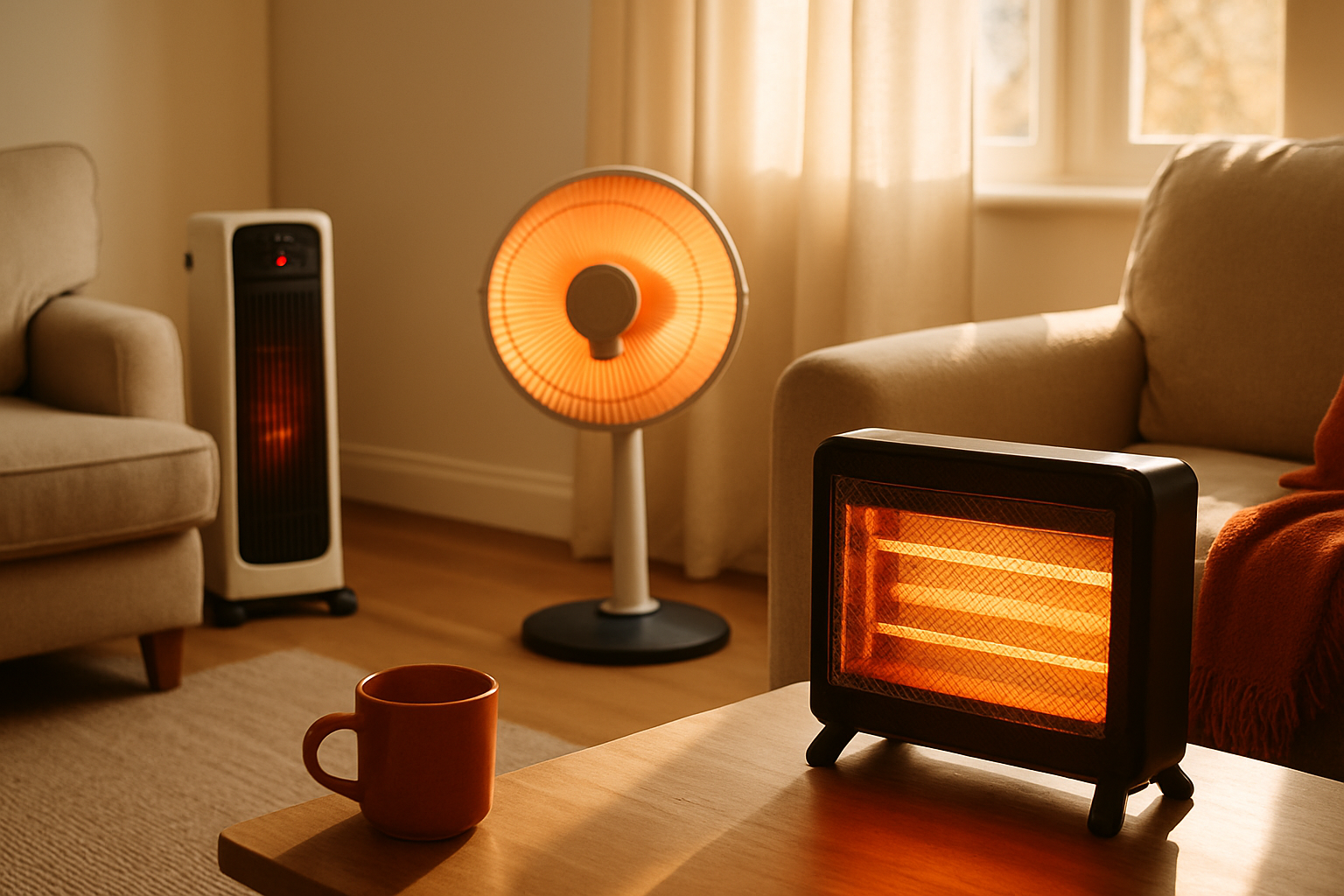
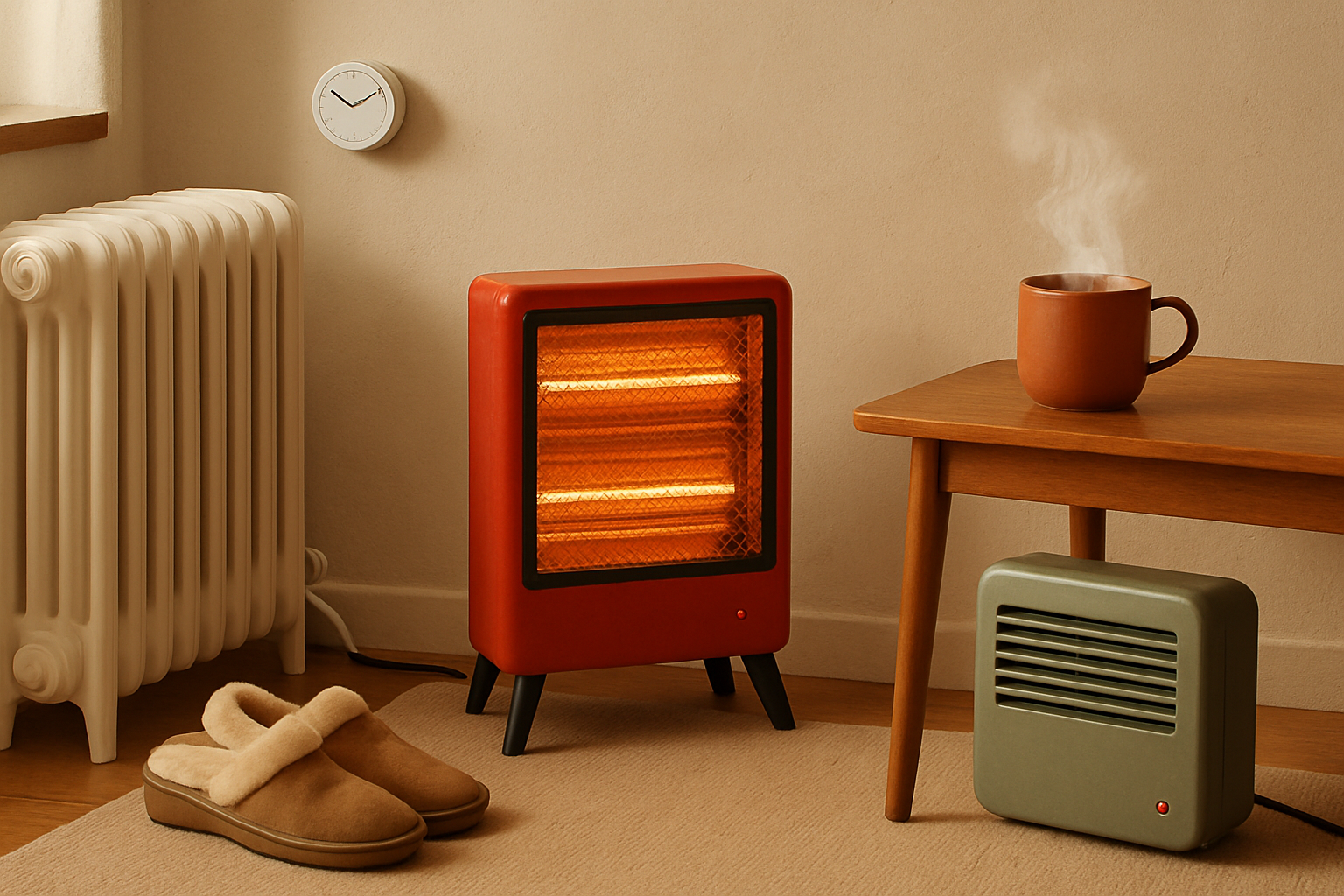
4. Use a portable heater in the room you occupy most
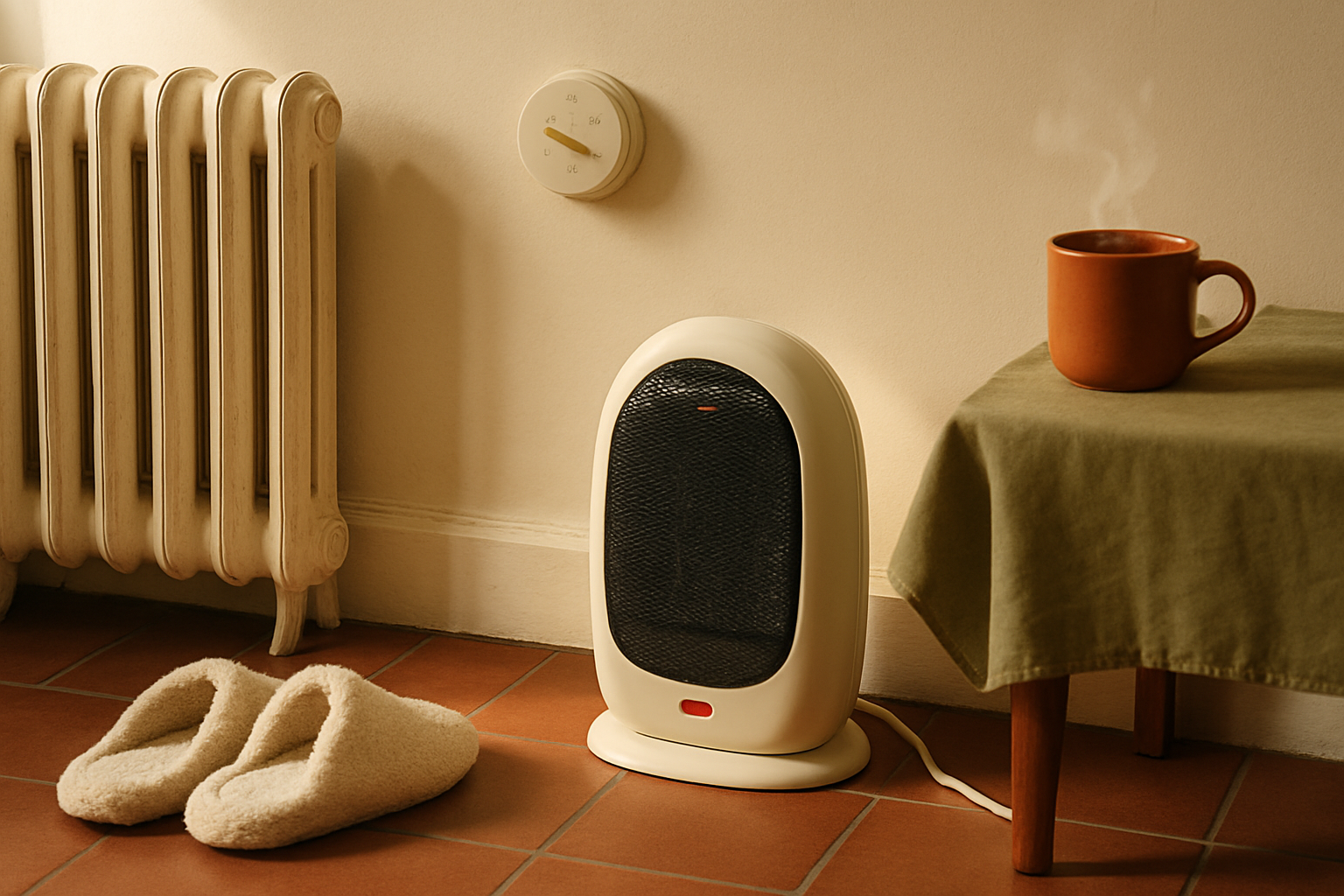
Turning the central heat down to 60 °F and supplementing with a small space heater in the living room or bedroom can cut overall costs if your central system is electric or expensive to run. We do this every winter. A good ceramic tower or oil-filled radiator in one room uses 1,500 W — far less than heating six empty rooms.
5. Close doors to unused rooms
Simple, free, and underused. If nobody's in the spare bedroom or the guest bathroom for days at a time, close the door and let that air stay cold. Your heating system won't have to work as hard to keep your living spaces at temperature.
6. Match the heater type to the room
An infrared heater warms people and objects directly, so it's ideal for a spot where you sit still — a reading chair, a desk. An oil-filled radiator heats air gently and holds warmth for a long time, making it better for a bedroom you want comfortable all night. Using the right tool in the right room means you can run it on a lower setting and still feel warm.
Draft fixes that cost almost nothing
7. Seal the gaps under exterior doors
A draught excluder — the foam or brush kind that costs a few dollars — can stop a surprising amount of cold air from creeping under an exterior door. I have one under my back door and one under the door to my unheated garage. It's the closest thing to free money I've found in this category.
8. Check your window seals before December
Hold your hand near window edges on a cold day. If you feel cold air moving, the seal or weatherstripping has failed. Self-adhesive foam tape from a hardware store is a one-afternoon fix that lasts a full season or more.
9. Keep curtains closed after dark
Glass loses heat fast once the sun goes down. Thick curtains or thermal blinds act as an extra layer of insulation. We close every curtain in the house at dusk in January. It genuinely keeps rooms warmer into the evening with no extra cost.
Maintenance moves that help your heat go further
10. Change your furnace filter on schedule
A clogged filter makes your furnace work harder and move less heat. Check it monthly in winter and replace it every 1–3 months depending on the type. It's a $10–$20 fix that keeps your system running efficiently all season.
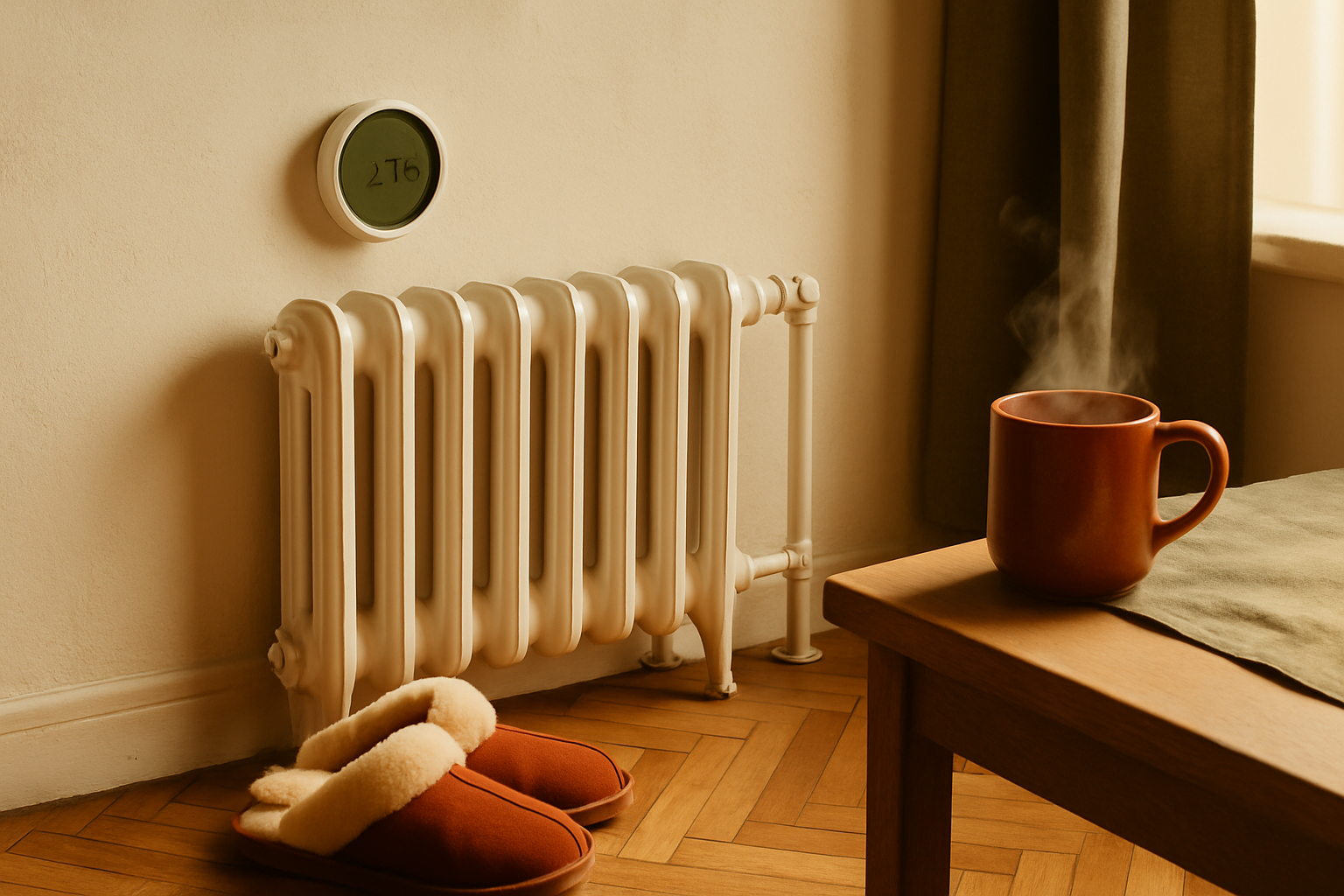
11. Bleed your radiators if you have a hot-water system
Trapped air in radiator panels stops them from getting fully warm. Bleeding them — a five-minute job with a radiator key — can restore full heat output to radiators that have been running lukewarm. I do this every autumn before the cold settles in.
12. Don't block vents and radiators with furniture
A sofa sitting six inches in front of a baseboard heater or a radiator is absorbing heat before it reaches the room. Move furniture away from heat sources and let the warm air circulate. It sounds obvious; we all still forget to check.
Our honest take on "big" upgrades
Loft insulation, cavity wall insulation and double glazing all pay back over time — but they're expensive upfront and take years to recoup. The twelve steps above cost next to nothing and you'll feel them in your very next bill. Start here, then think about the bigger investments later.
Quick zone-heating sanity check
Before buying a space heater to supplement your central heat, check your electricity rate versus your gas or oil rate per BTU. In some homes, electric supplemental heat is actually more expensive per unit of warmth. Your utility bills will tell you — it's worth five minutes of maths before you plug anything in.
The bottom line
Cutting your heating bill doesn't require a renovation or a new boiler. It requires a handful of consistent habits — a schedule on the thermostat, a draught excluder on the back door, curtains closed at dusk — layered on top of each other. Each one is small. Together they add up to a noticeably cheaper winter.
If you're shopping for a heater that's efficient enough to make zone heating worth doing, our space heater reviews are a good place to start. Every model we recommend is one we've actually lived with at home.
Find a heater worth running all winter
Every heater on Heaters Tested is one we've personally used at home — reviewed for real warmth, running cost and long-term reliability.
Browse All Reviews→